Financial Modeling
-
The Nine Business Model Templates: Why Industry Expertise Matters Less Than You Think

Every company follows one or more revenue mechanics. Explore nine business model templates and learn how financial strategy can transfer across industries. Continue reading
-
4 Hours to a Board Deck: How CFOs Are Using AI to Transform Financial Presentations
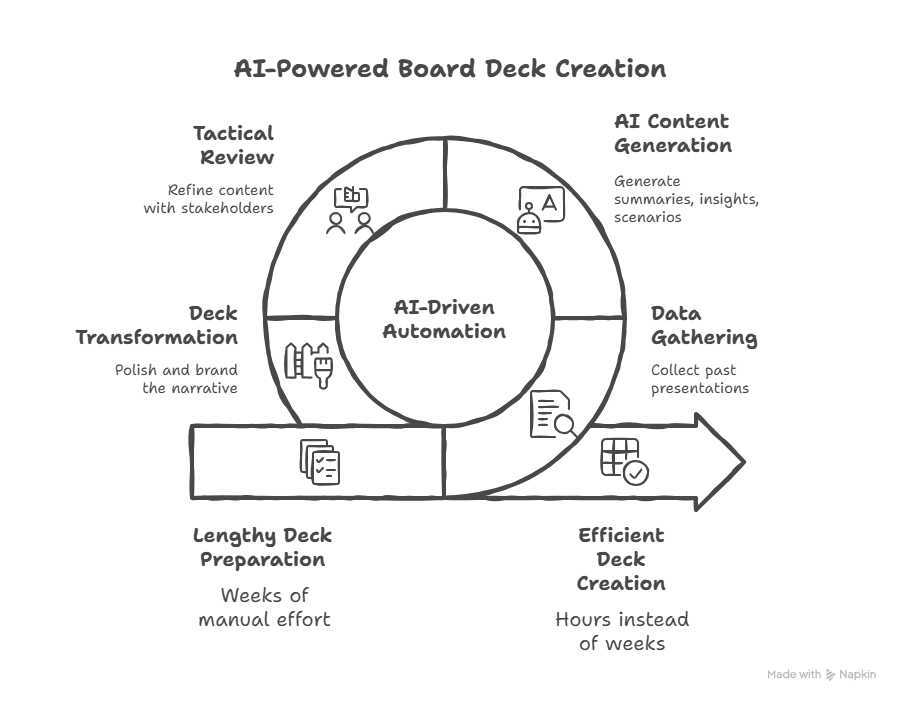
Learn a practical AI-assisted workflow for turning financial data into a clear, board-ready narrative while preserving human review, data validation, and accountability. Continue reading
-
LCV is for client unit economics, True Profitability is for product unit economics and another approach to drive value in your SaaS business.

Learn how True Profitability reveals product and customer unit economics, complexity costs, margin drag, and strategic opportunities in SaaS businesses. Continue reading
-
Managing a Loan Portfolio with Great Analytical Tools
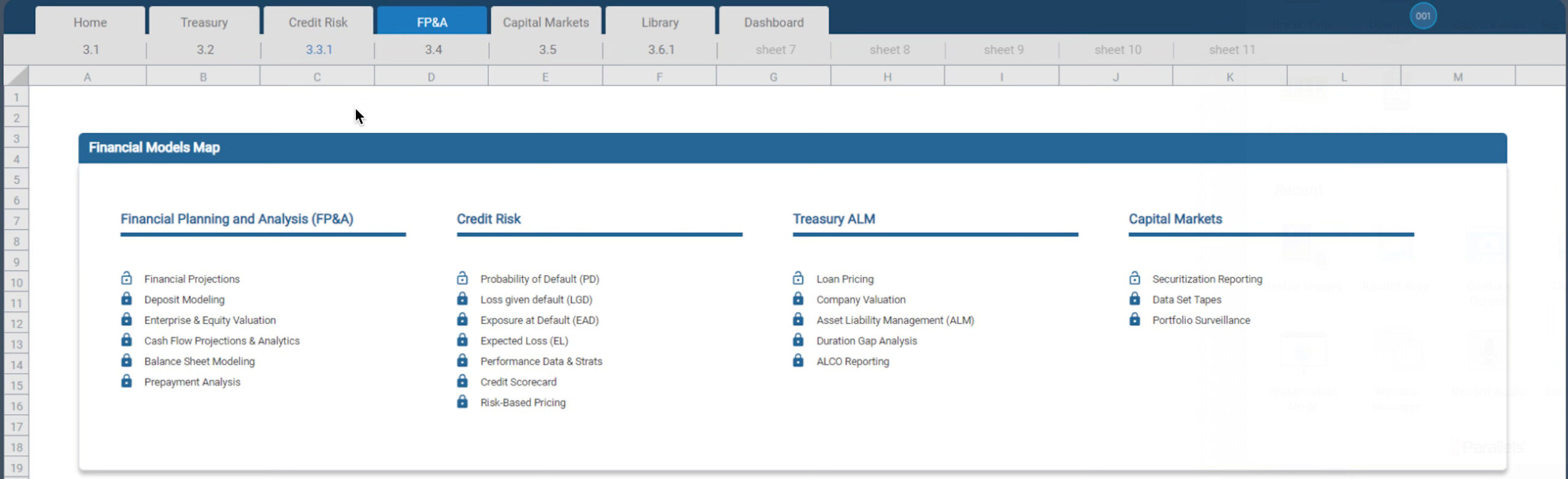
Learn how advanced analytics and automation can improve consumer loan portfolio reporting, cash flow forecasting, risk management, and strategic decision-making. Continue reading
-
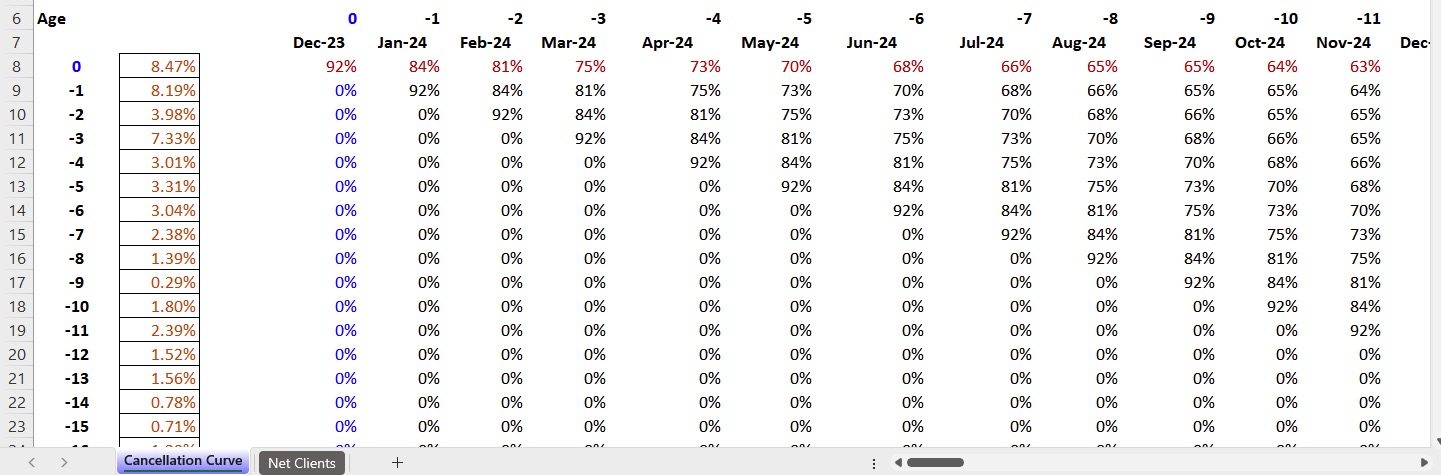
Recurring revenue modeling can be tricky, using cancellation curves can improve precision and results

Learn how cohort-based recurring revenue models and cancellation curves improve SaaS forecasts, retention insight, and operational planning precision. Continue reading
-
Key considerations for SaaS (or any recurring revenue) financial models
Explore the core components of a SaaS financial model, including MRR, ARR, churn, CAC, LTV, cost projections, cash flow, and break-even planning. Continue reading
-
How We Replaced an Implementation of Workday Adaptive Enterprise Planning Management with Microsoft’s PowerBI Tailored for FP&A Reporting

Learn how a finance team replaced a difficult Workday Adaptive Planning rollout with Power BI reporting tailored to FP&A, Excel forecasts, and accounting data. Continue reading